Rescue, adoption and flight-parent journeys
International Rescue Pet Transport
A documented handover between real people—not an anonymous shipment.
UniPetrans helps shelters, rescue organisations, adopters and receiving partners assess accompanied air transport for dogs and cats. Every case begins by identifying the correct legal pathway, route and responsibilities.
Discuss a Rescue Journey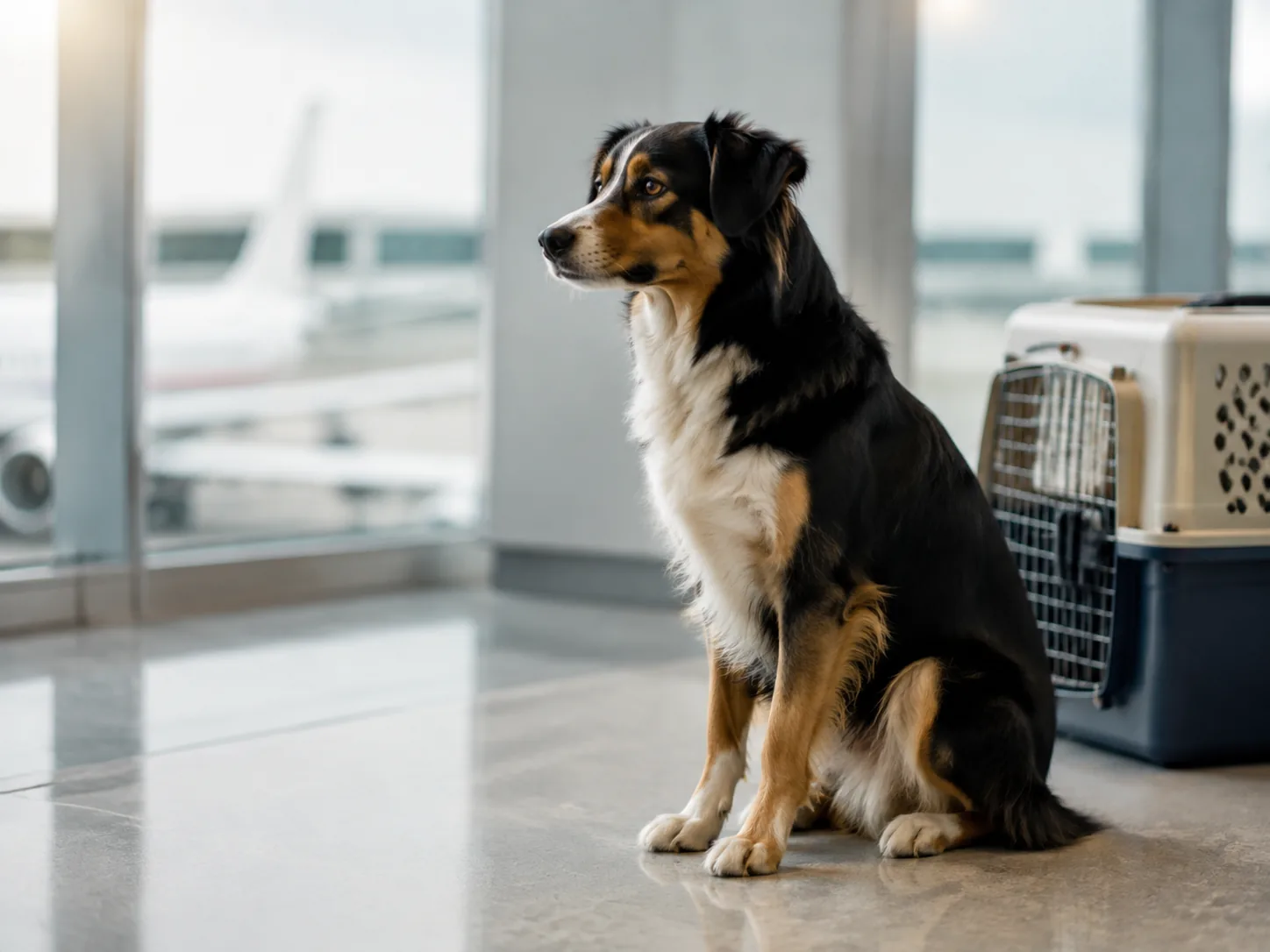
Dogs & CatsFocused on animals travelling from shelters, rescues or adoption situations.
Flight-Parent FitProfessional accompaniment assessed against the route and official rules.
Traceable HandoverOrigin, traveller and destination responsibilities defined before departure.
01
Classify the movement before planning the flight
Rescue and adoption journeys are not automatically ordinary pet travel. In the European Union, non-commercial movement does not involve sale or transfer of ownership and normally follows the owner’s movement. Shelter-sourced or rehoming movements may need the animal-health process for movements or entry into the EU.
UniPetrans begins by clarifying ownership, adoption status, the organisations involved and who will travel with and receive the animal.
02
A flight parent has a defined operational role
The traveller needs an itinerary that genuinely accommodates the animal and a complete handover file. For U.S. dog entries, the CDC identifies a “flight parent” as a person bringing dogs for rescue, resale or adoption on behalf of another person or organisation.
That recognition does not remove entry requirements. Recent travel history, vaccination origin, microchip, age, arrival airport and consignee information can all affect the process.
03
Build one chain of responsibility
A safe rescue journey connects the origin organisation, veterinarian, official certifier, traveller, airline and receiving party. Names, microchip numbers, addresses, dates and flight details must remain consistent across the file.
UniPetrans coordinates the travel stages it accepts, while competent authorities and veterinarians retain responsibility for official approval and certification.
04
Assess welfare and airline feasibility animal by animal
Rescue status does not make every itinerary suitable. Health, temperament, age, breed, carrier training, temperature, flight duration, connections and airline restrictions need individual review.
If the animal or paperwork is not ready, the responsible plan may be to travel later or choose another route.
05
EU shelter movements require particular care
The European Commission states that movements of dogs and cats sourced from shelters must follow the applicable animal-health conditions. Within the EU, this can involve establishment requirements, clinical examination, health certification and TRACES notification.
Official guidance: European Commission — Movements within the EU · Entry into the Union · CDC Dog Import Form.
06
What UniPetrans can coordinate
Initial case assessment, accompanied-route feasibility, preparation timeline, document consistency, airline coordination, departure handling, journey updates and destination handover can be combined into one managed plan.
The exact scope is confirmed only after the legal pathway and animal-specific conditions are clear.
Discuss a Rescue JourneyFrequently asked questions
International Rescue Pet Transport
Is rescue or adoption transport automatically non-commercial pet travel?
No. A movement involving sale, adoption or another transfer of ownership may fall outside the non-commercial pet-travel regime. The correct legal pathway must be identified before routing.
Can UniPetrans act as a flight parent?
Potentially. A professional may accompany an animal when the route, airline and applicable official conditions allow it. The CDC expressly recognises a flight parent as a person transporting dogs for rescue, resale or adoption, but all entry requirements still apply.
Can shelter dogs move within the European Union with an ordinary pet passport?
Shelter-sourced movements must comply with the applicable animal-health conditions. Depending on the operation, registered or approved establishments, health certification and TRACES notification may be required.
Does UniPetrans replace the shelter’s veterinarian or competent authority?
No. UniPetrans coordinates the journey and documentation workflow, while official veterinarians and competent authorities determine and certify compliance.
Can one journey include several rescue animals?
Possibly, but animal numbers, airline limits, welfare, traveller responsibility and the legal classification of the movement all need individual assessment.
What information is needed for an initial assessment?
We need the organisations or people at origin and destination, species, number of animals, ownership or adoption status, veterinary records, proposed dates and airports.
Related UniPetrans services
Choose the right planning route
Initial assessment
Planning a rescue or adoption journey?
Tell us who is sending and receiving the animal, whether ownership will change, the veterinary status, proposed route and dates. We will identify what must be clarified before a travel option can be proposed.
Email: info@unipetrans.com
Prefer messaging? Ask us on WhatsApp